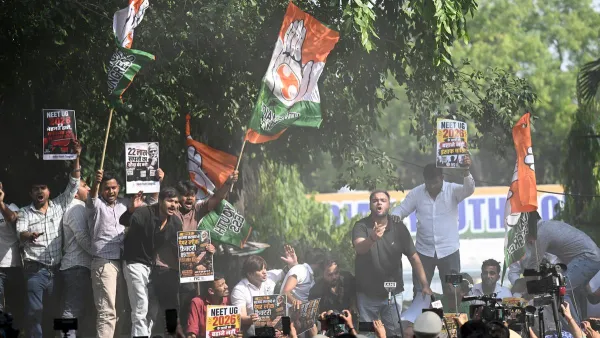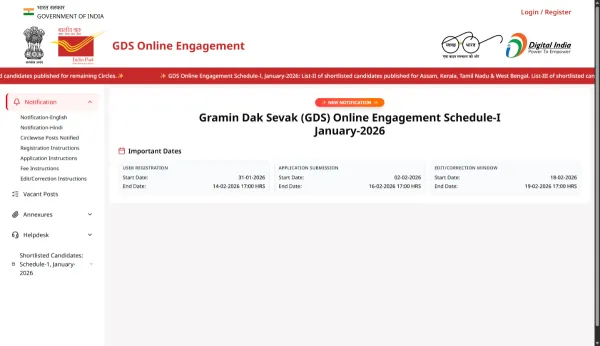
The entrance examination for the two-year B.Ed course will be held on the 31st. ମେ ୩୧ରେ BEd ପ୍ରବେଶିକା ପରୀକ୍ଷା
ଆସନ୍ତା ୩୧ ତାରିଖରେ ଦୁଇବର୍ଷିଆ ବି.ଏଡ୍(BEd)ପାଠ୍ୟକ୍ରମର ପ୍ରବେଶିକା ପରୀକ୍ଷା ଅନୁଷ୍ଠିତ ହେବ
Published on: 26-May-2026
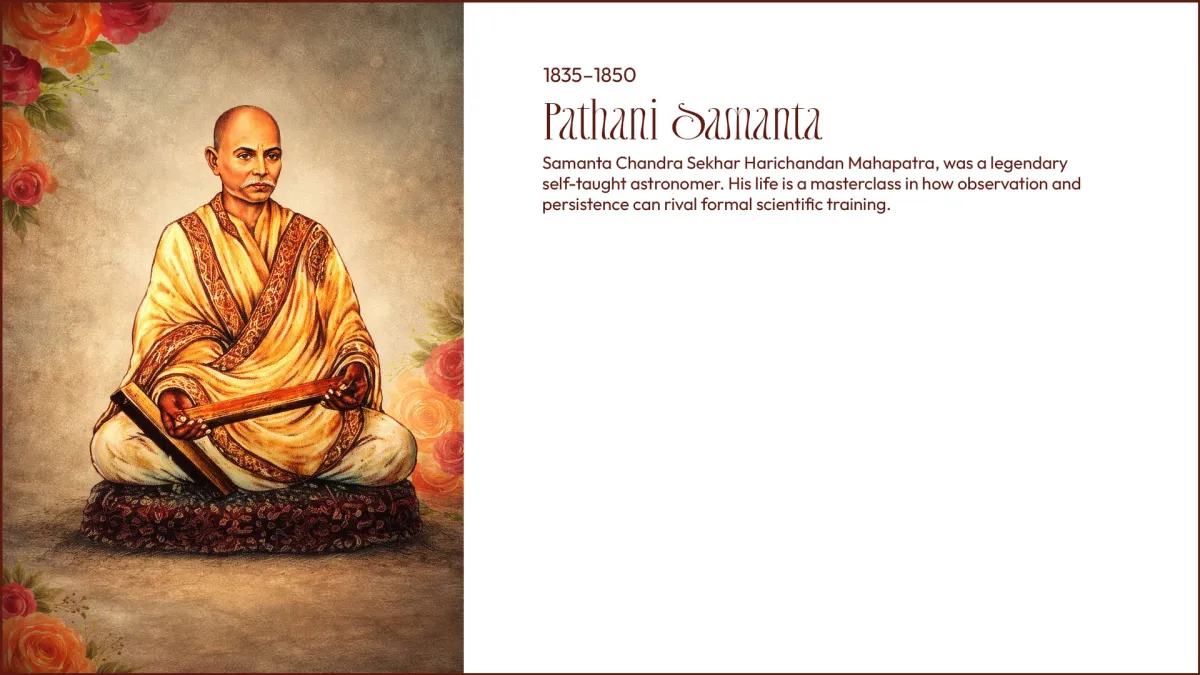
Pathani Samanta, born as Samanta Chandra Sekhar Harichandan Mahapatra, was a legendary self-taught astronomer. His life is a masterclass in how observation and persistence can rival formal scientific training.
Born: January 13, 1835, in the princely state of Khandapara, Odisha.
The Lesson: Nature is the Best Teacher. Born into a royal family but disinterested in palace luxuries, Samanta spent his childhood staring at the night sky. Lacking a telescope, he began using his fingers and bamboo sticks to measure the distance between stars.
The Lesson: Resourcefulness. He proved that sophisticated tools aren't a prerequisite for sophisticated thinking. He created his own instruments, like the Mana Yantra (a wooden stick for measuring horizontal and vertical angles).
The Lesson: Mastery through Tradition. He didn't just look at the sky; he mastered ancient Sanskrit texts like the Surya Siddhanta. However, he didn't follow them blindly—he used his own observations to correct the errors found in these centuries-old manuals.
The Lesson: Precision Matters. Without any modern equipment, he calculated the Earth's rotation and the distance of the Sun and Moon from Earth with astonishing accuracy, nearing the values found by modern NASA satellites.
The Lesson: Documentation is Key. In 1869, he completed his magnum opus, Siddhanta Darpana, written on palm leaves in Sanskrit verse. It contained 2,500 slokas detailing his astronomical findings.
The Lesson: Humility in Success. Despite receiving the title of Mahamahopadhyaya from the British government in 1893, he remained a simple man, dedicated entirely to the service of Jagannath and the pursuit of cosmic truth.
Died: June 11, 1904, in Puri, Odisha.
The Lesson: Dedication to the End. He spent his final days in the holy city of Puri, continuing his calculations until his health failed. He died as he lived—deeply connected to both the spiritual and the scientific.
The Lesson: Transcending Time. His calculations are still used today to prepare the Panchang (traditional calendar) in Odisha, proving that true work remains relevant long after the creator is gone.
| Phase | Focus | Life Lesson |
| 0–15 years | Observation | Curiosity is the engine of discovery. |
| 16–35 years | Correction | Don't be afraid to challenge established "facts." |
| 36–64 years | Contribution | Share your knowledge so it outlasts your life. |
| 65–69 years | Legacy | Remain grounded in your roots and your truth. |